Trade Hub & Modern Infrastructure
Distinctive Strategic Location
Situated at the center of global trade routes and equipped with advanced infrastructure, Egypt serves as an ideal gateway to international markets and a thriving center for investment in trade, transportation, and logistics services.
Suez Canal
The Suez Canal makes a significant contribution to the Egyptian economy and increases national income through the transit fees collected from vessels passing through the canal. More than 12% of the world’s maritime shipping traffic and 24.5% of global container trade pass through the canal annually.
The Suez Canal also saves significant distance, time, and shipping costs for vessels traveling between East and West, especially following the implementation of the New Suez Canal project.
As part of efforts to address geopolitical challenges in the Red Sea, development works have been completed and new services have been introduced, including:
- Maritime rescue and emergency services.
- Pollution control.
- Ship maintenance and repair.
- Vessel refueling.
- Crew change services.
- Collection and removal of waste from vessels transiting the canal, as part of the initiative to transform the canal into a green canal by 2030.
- Completion and operation of the Southern Sector Development Project, including widening and duplication works, to support global trade movement.
Cairo–Cape Town Highway
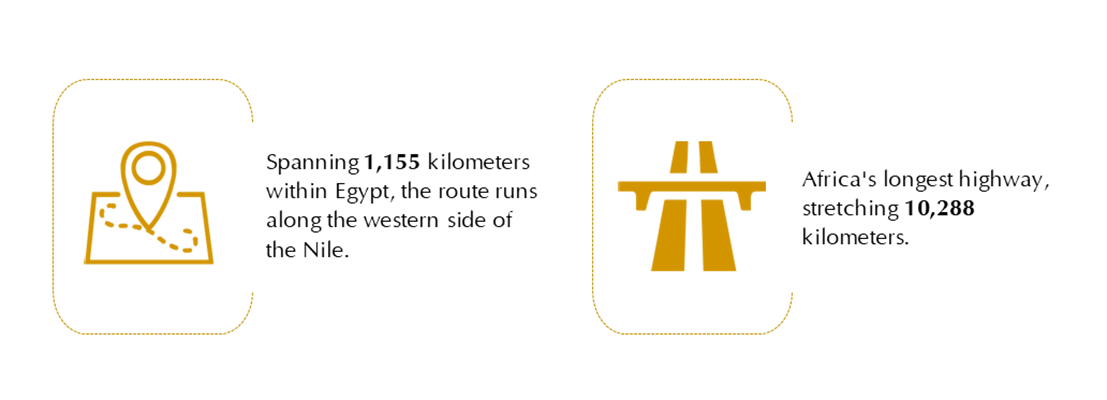
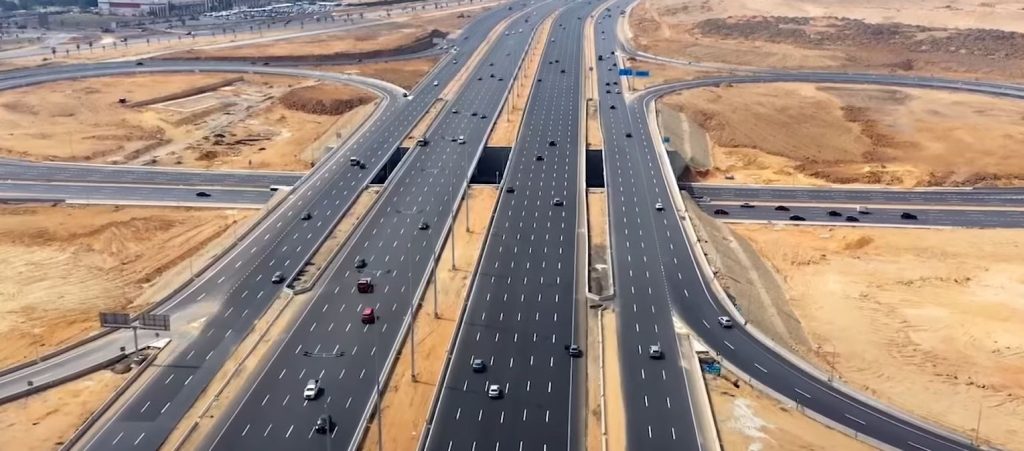
As part of its commitment to achieving sustainable development goals in Africa, Egypt is actively advancing the Cairo-Cape Town Road project, which spans nine countries across central and eastern Africa. Starting in Egypt, the road traverses Sudan, Ethiopia, Kenya, Tanzania, Zambia, Zimbabwe, and Gabon before reaching its final destination in South Africa. This initiative aims to strengthen trade links between Egypt and other African nations.
Sokhna–Dekheila Integrated Logistics Corridor to connect Red Sea & Mediterranean Sea
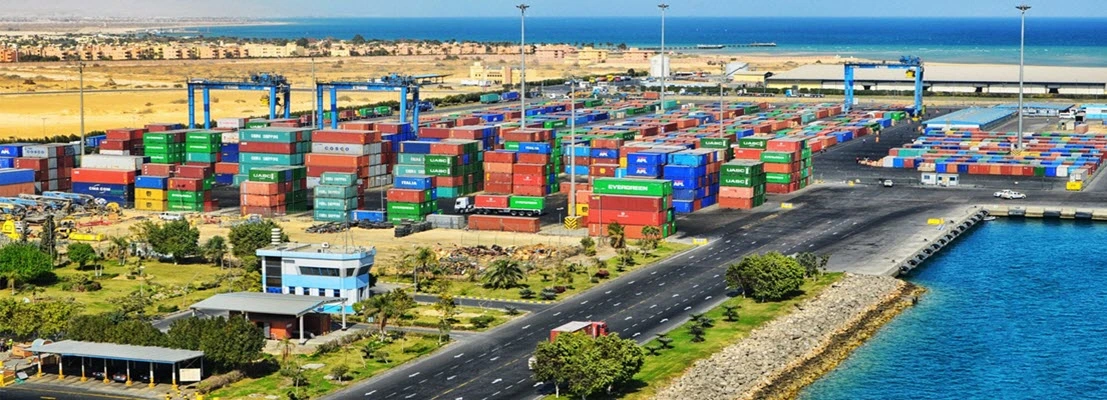
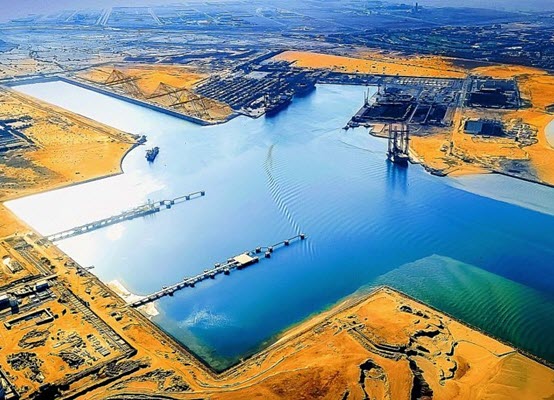
As part of Egypt’s strategy to become a global hub for trade and logistics, work has begun on a new corridor connecting the Red Sea to the Mediterranean. This project represents the largest logistics passageway to serve global trade between East and West. The state is working to transform the Sokhna and Dekheila ports into key logistical hubs linking the two seas, with the aim of increasing Egypt’s share in the global transit trade market and helping to open new markets for Egyptian exports.
Seaports, Dry Ports, and Land Ports
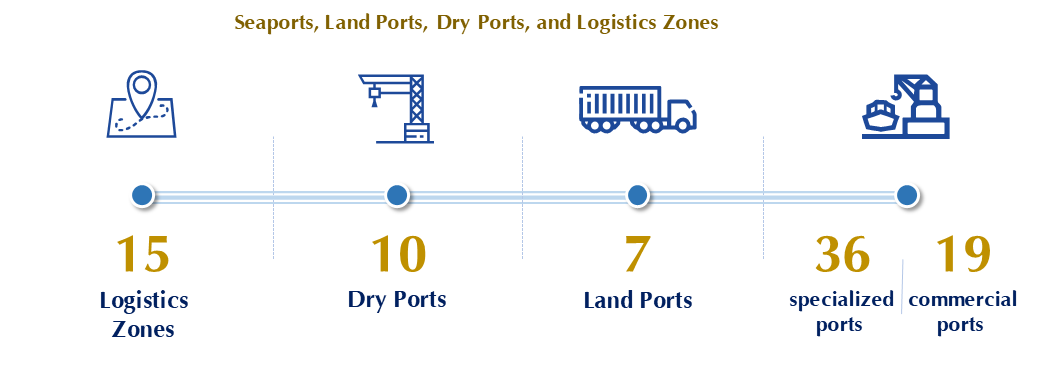
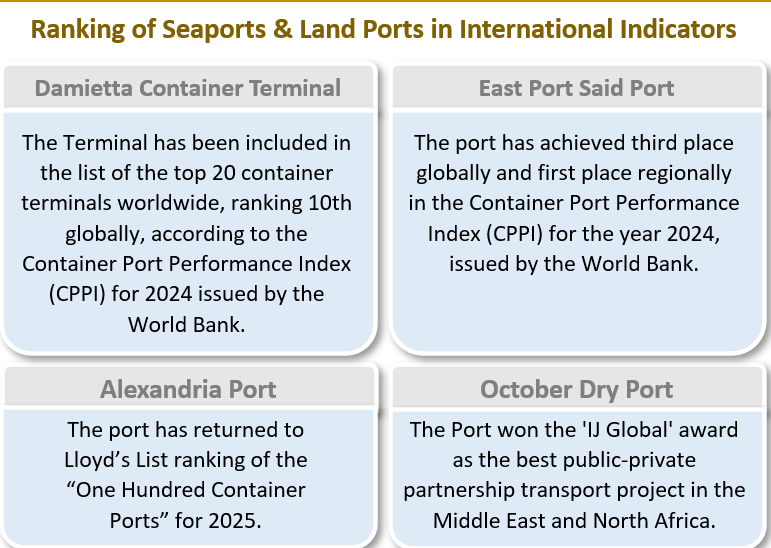
The Government aims to transform Egypt into a global hub for logistics and international trade by establishing integrated international logistics centers near seaports, upgrading existing centers, expanding the capacity of seaports, and developing the Egyptian maritime fleet. Efforts are also underway to develop land ports, dry ports, and logistics zones to prevent congestion of goods and containers at seaports, improve the quality of logistics services provided, reduce the high cost of freight transportation, facilitate trade movement, and connect production and consumption areas—while also mitigating negative environmental impacts.
Airports
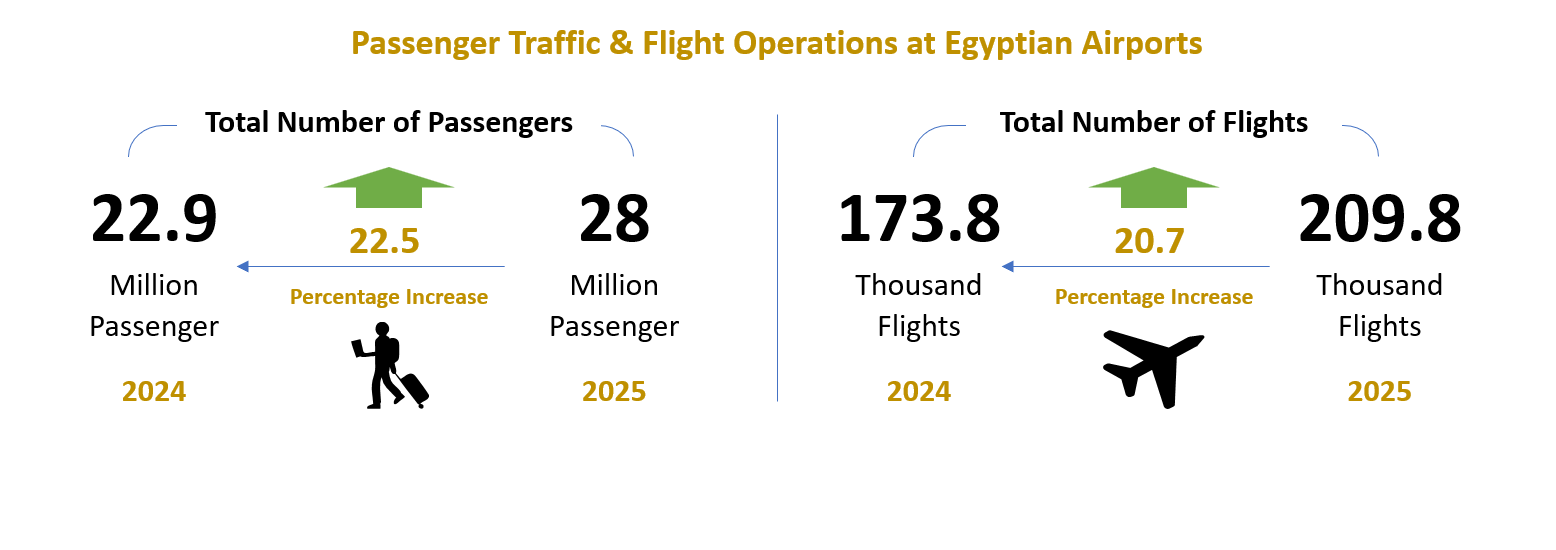
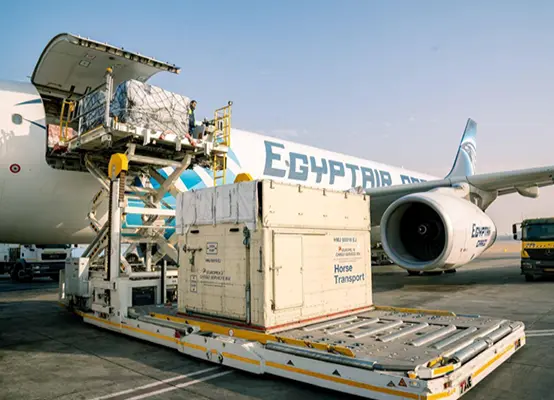
Egypt has 23 international and domestic airports. Efforts are currently underway to upgrade and enhance the efficiency of several airports through partnerships with internationally experienced entities in airport infrastructure development. These collaborations aim to improve the quality of services offered to travelers and increase airport capacity to meet the expected growth in travel and tourism to Egypt.